Wilpattu National Park – Sri Lanka’s Largest & Most Untouched Wilderness
Wilpattu National Park is Sri Lanka’s largest and one of the oldest national parks, located on the north-west coast of the island. Covering vast stretches of dry-zone forest, natural lakes, and coastal landscapes, Wilpattu offers a quiet, authentic safari experience unlike any other wildlife park in Sri Lanka.
Known for its peaceful atmosphere and rich biodiversity, Wilpattu is ideal for travelers who enjoy slow exploration, bird watching, and natural beauty.
Unique Feature of Wilpattu – The “Villu” System
What truly sets Wilpattu apart is its unique “Villu” system.
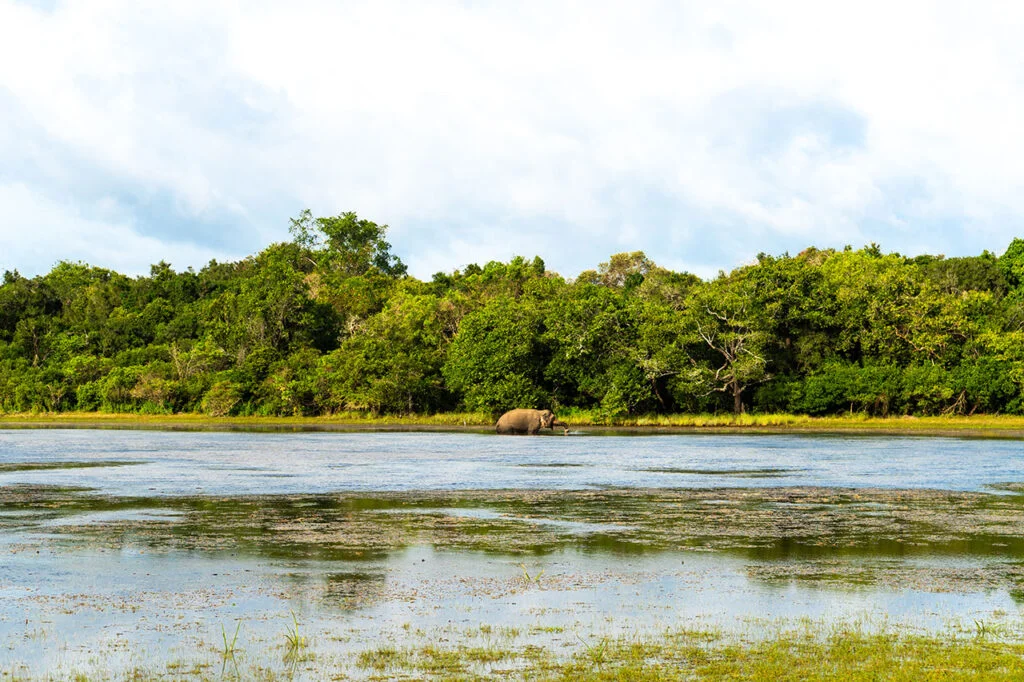
Villus are natural, sand-rimmed rainwater lakes scattered throughout the park. These shallow freshwater basins form naturally during the monsoon season and remain vital water sources for wildlife throughout the year.
Over 60 villus are found within the park
Attract animals such as elephants, deer, leopards, and birds
Ideal locations for wildlife sightings and photography
Create a peaceful and scenic safari environment
The villus are the heart of Wilpattu’s ecosystem and one of the main reasons for its incredible wildlife diversity.
Leopards of Wilpattu
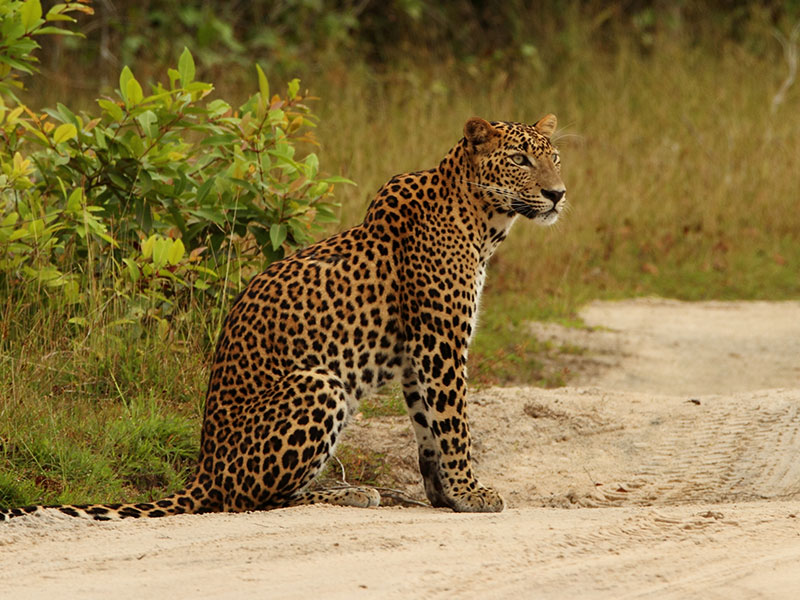
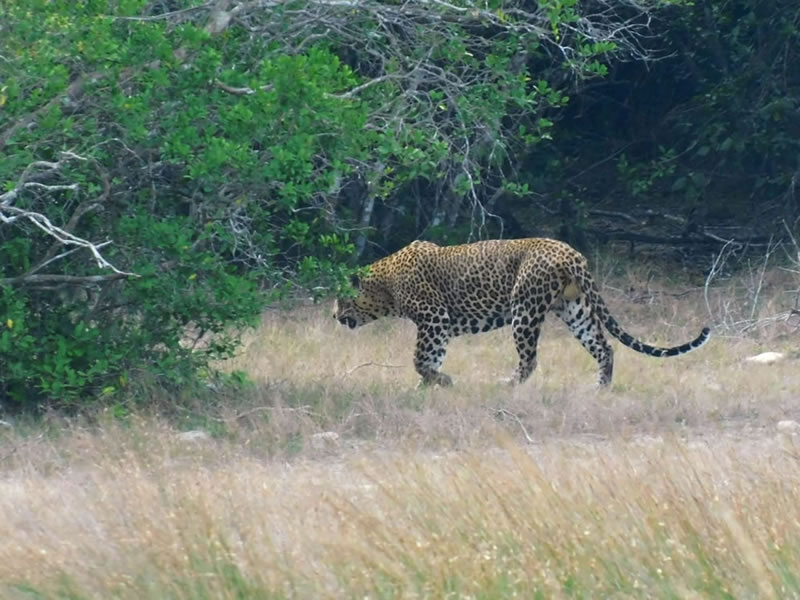
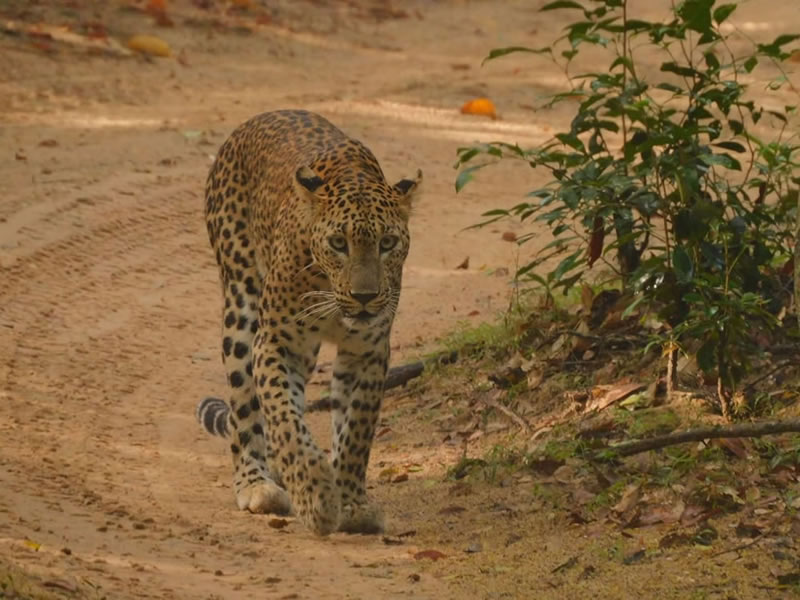
Wilpattu is one of the best places in Sri Lanka to observe leopards in a natural, low-crowd environment.
Leopards here are often seen resting near villus or moving through forest tracks
Sightings are more relaxed due to fewer vehicles compared to other parks
Wilpattu leopards are known for their large size and shy behavior
Best observed during early morning and late afternoon safaris
Patience and quiet observation greatly increase the chances of a successful sighting.
Fauna of Wilpattu National Park
Wilpattu is home to an impressive variety of mammals, reptiles, birds, and amphibians.
Mammals:
Sri Lankan Leopard (Panthera pardus kotiya)
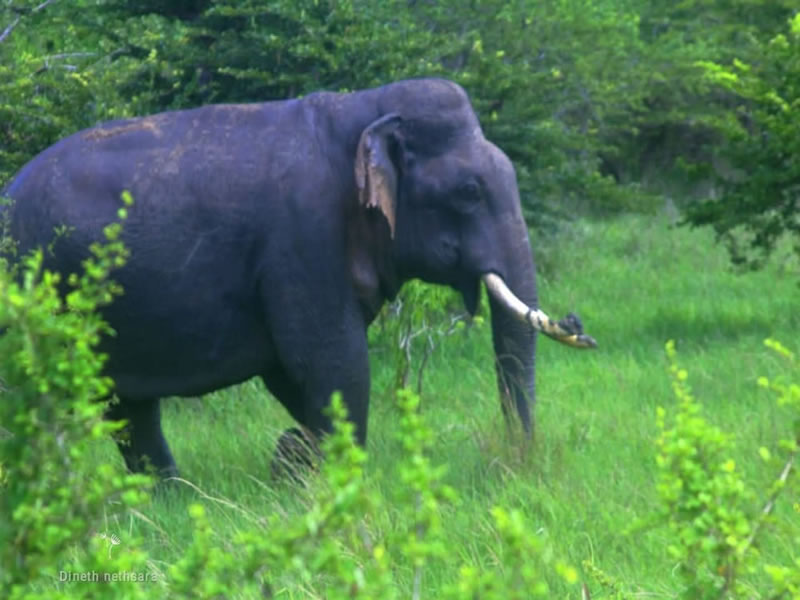
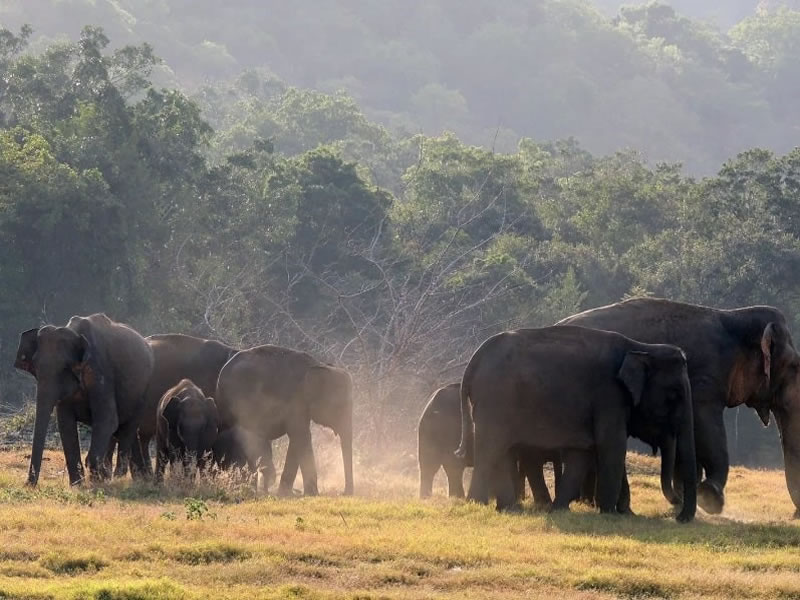
Asian Elephant
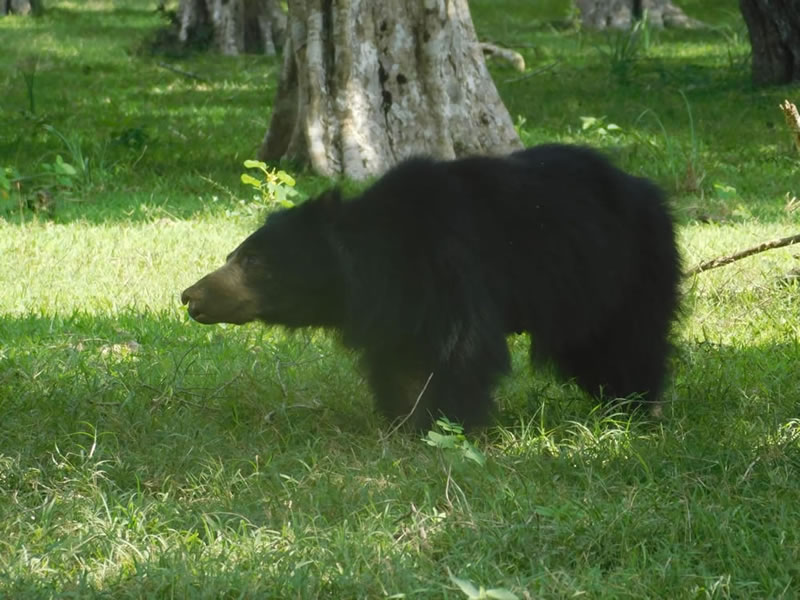
Sloth Bear
Spotted Deer
Sambar Deer
Wild Boar
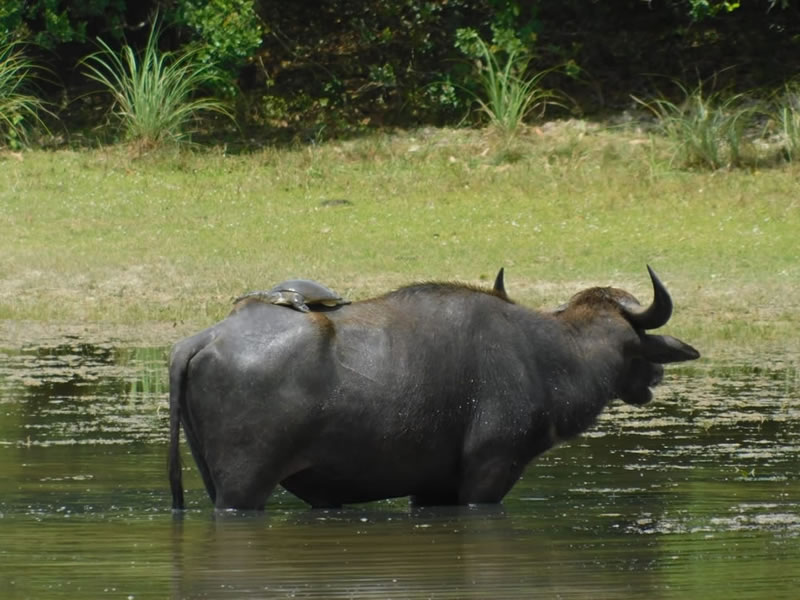
Water Buffalo
Jackal
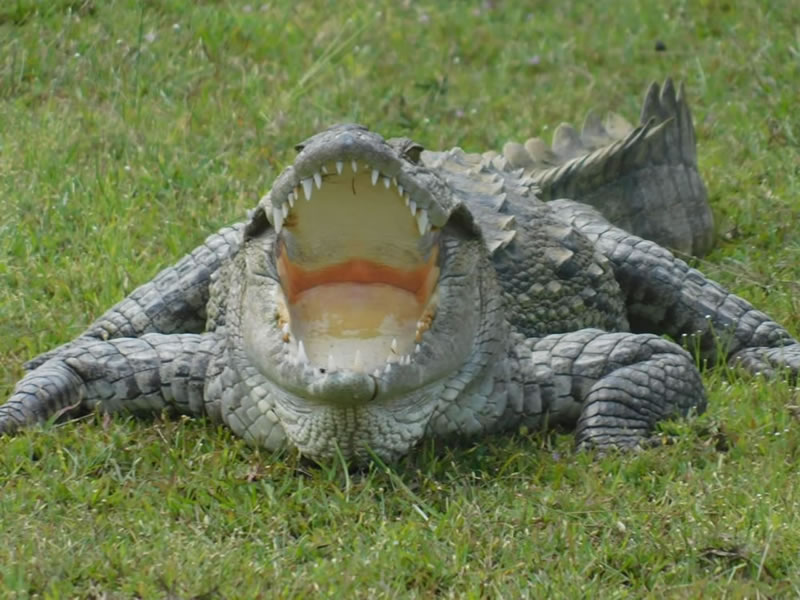
Mugger Crocodile
Flora of Wilpattu National Park
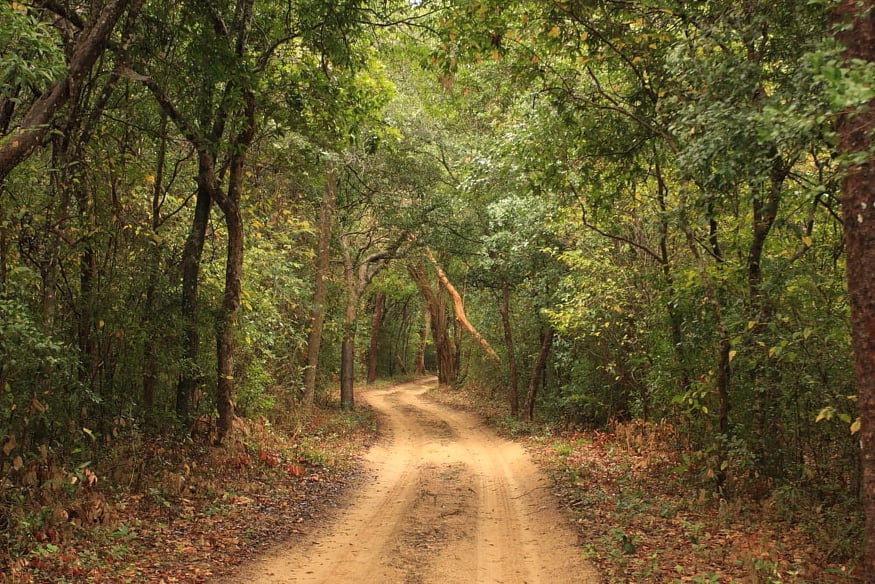
Wilpattu lies in Sri Lanka’s dry-zone forest region, with vegetation adapted to long dry periods.
Main Vegetation Types:
Dense dry mixed evergreen forest
Thorny scrub jungle
Open grasslands near villus
Coastal vegetation and sand dunes
Common Plant Species:
Palu (Manilkara hexandra)
Weera (Drypetes sepiaria)
Satinwood
Ebony
Various medicinal and endemic plant species
These forests provide shelter and food for a wide range of wildlife while maintaining the park’s untouched natural beauty.
Bird Watching Opportunities
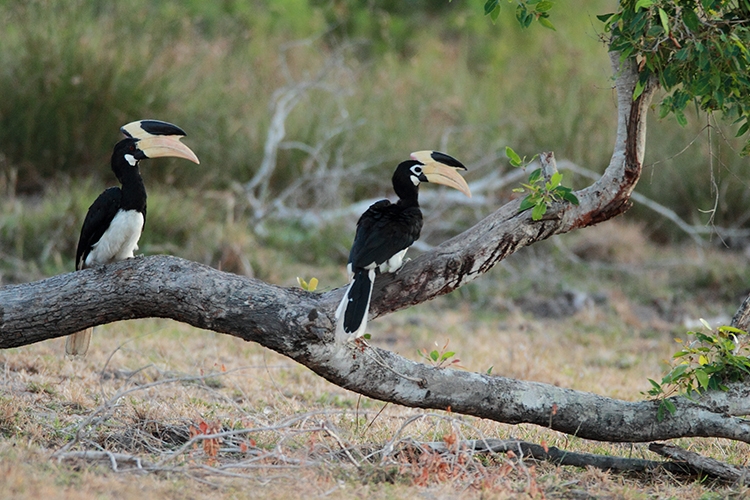
Wilpattu is a paradise for bird watchers, with over 200 recorded bird species.
Commonly Seen Birds:
Painted Stork
Asian Openbill
White Ibis
Pelicans
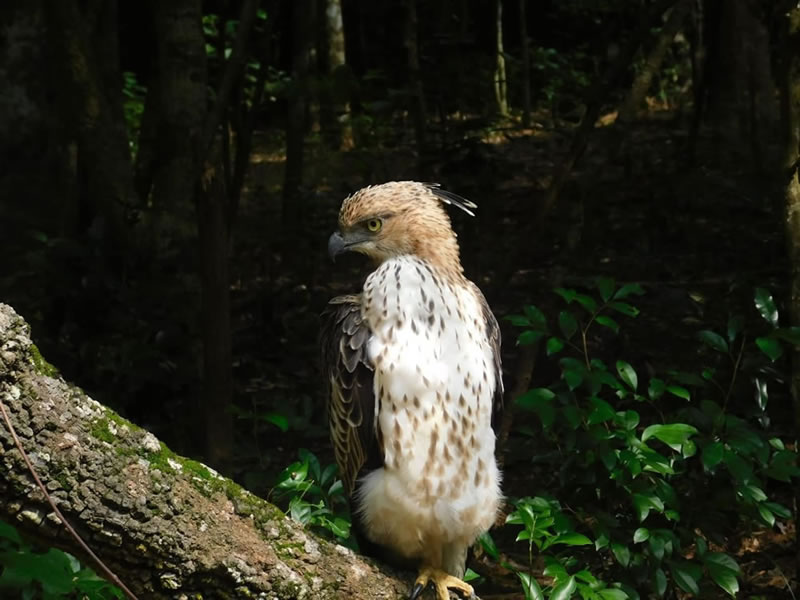
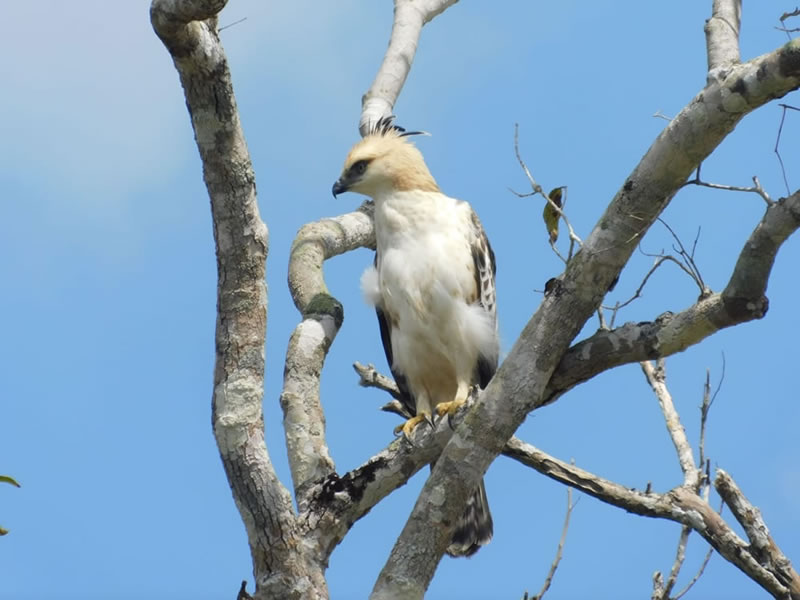
Crested Serpent Eagle
Changeable Hawk Eagle
Peafowl
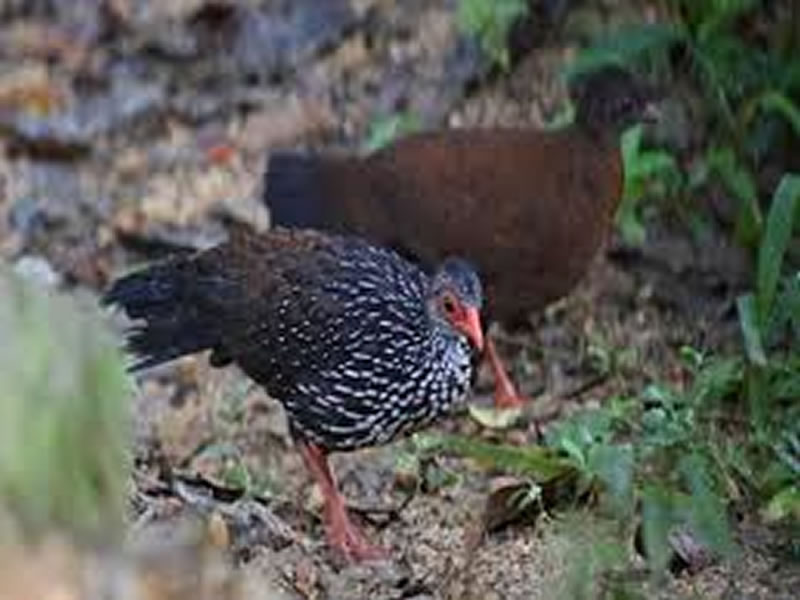
Sri Lanka Junglefowl (national bird)
Special Highlights:
Migratory birds during the winter season
Large flocks around villus
Ideal for photographers and nature lovers
The calm atmosphere and open lake areas make Wilpattu one of the best birding destinations in Sri Lanka.